
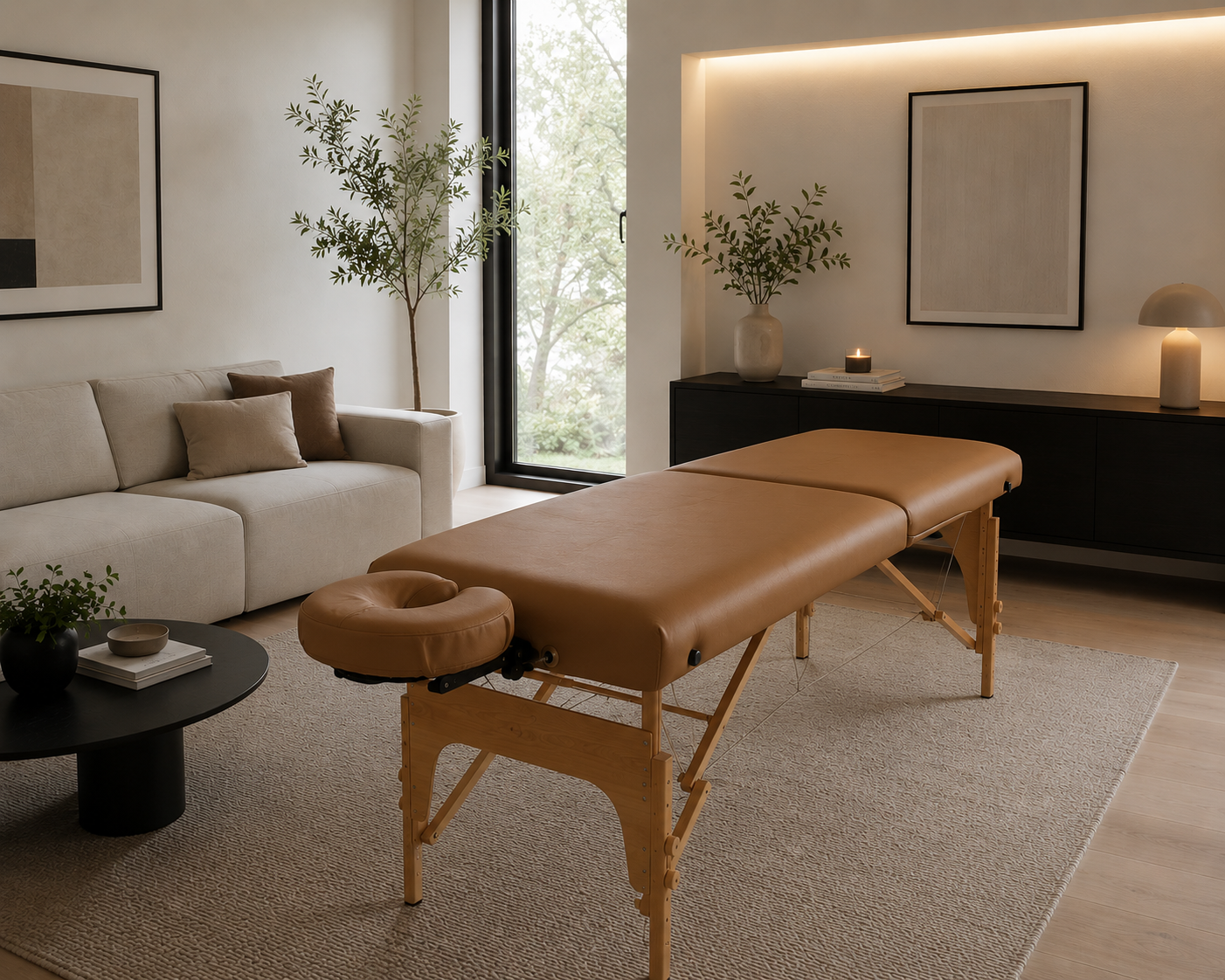
No waiting rooms.
No commute.
Just one-on-one care.
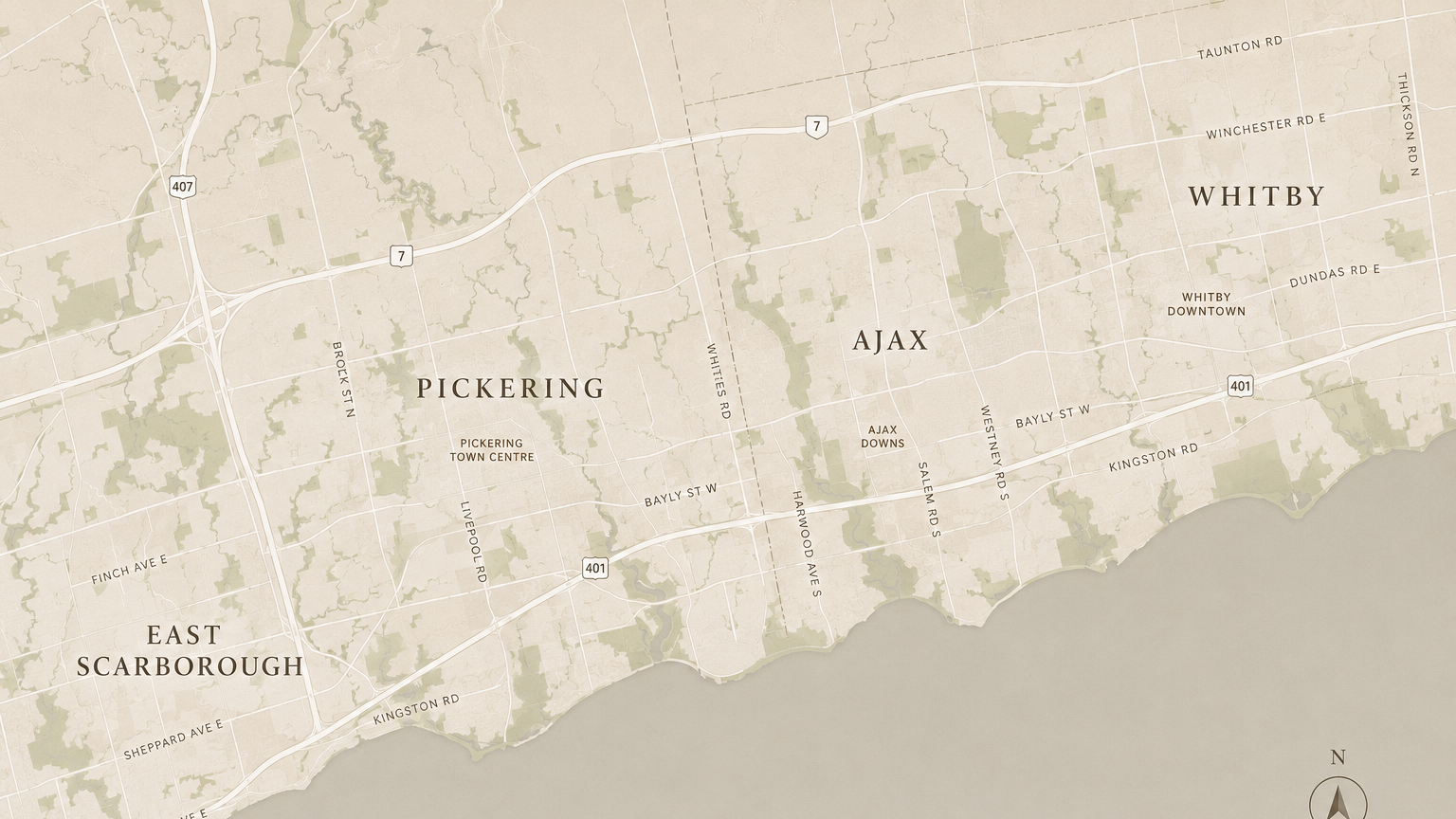
Personalized physiotherapy services at your door in East Scarborough, Pickering, Ajax, and Whitby.
Mobile Physiotherapy - Who’s it for?
Instead of travelling to a clinic, our Physiotherapist visits you to assess, treat, and guide your recovery from injuries, pain, post-surgical rehab, or mobility issues.
It's ideal for those with limited mobility, busy schedules, or anyone who simply prefers personalized one-on-one care in a familiar environment.
We proudly serve the East Scarborough, Pickering, Ajax, and Whitby area.
Our Services
-
Your first step toward lasting recovery. During your assessment, I'll come to your home to evaluate your movement, strength, and function in the environment where you live and move every day. Together, we'll identify the root cause of your pain or limitation and build a personalized treatment plan centered around exercise and movement — the most powerful tools for long-term recovery.
No waiting rooms. No commute. Just focused, one-on-one care.
-
Focused, hands-on care delivered to your door. Each session is built around your personalized treatment plan, using targeted exercise and movement strategies to keep your recovery on track. Ideal for follow-up visits where we build on progress and refine your program.
Consistent care, without the clinic.
-
A well-rounded treatment session designed to drive meaningful progress in your recovery. Each visit builds on your personalized plan, combining hands-on care with targeted exercise and movement strategies tailored to your goals. Acupuncture is available as an add-on to help manage pain, reduce muscle tension, and support your body's natural healing process.
Focused care, at your pace, in your space.
-
Our most comprehensive treatment session, giving us the time and space to go deep on your recovery. This visit combines a thorough reassessment of your progress with targeted exercise therapy, hands-on treatment, and a full review of your home program. Acupuncture is available as an add-on for enhanced pain relief and recovery support — seamlessly integrated into your session.
Complete care, without leaving home.
Conditions We Treat
-
Whether it's from poor posture, a work injury, or a car accident, neck pain can seriously affect your day-to-day life. Common conditions include whiplash, muscle strains, cervical disc issues, and nerve irritation. Treatment focuses on relieving pain, restoring movement, and addressing the root cause so it doesn't keep coming back.
-
The shoulder is one of the most complex joints in the body, making it prone to a variety of issues including rotator cuff tears, impingement, frozen shoulder, and instability. Whether your pain came on suddenly or has been nagging for months, physiotherapy can help restore strength, range of motion, and function.
-
Elbow problems often develop gradually through repetitive movements or overuse. Common conditions include tennis elbow, golfer's elbow, and bursitis. Whether your pain is work-related, sport-related, or seemingly came out of nowhere, physiotherapy can help identify the cause and get you on the path to recovery.
-
Low back pain is one of the most common reasons people seek physiotherapy — and one of the most treatable. Whether you're dealing with a sudden strain, a disc injury, or chronic stiffness that's built up over time, a tailored treatment plan can help you get back on your feet and moving confidently again.
-
Hip pain can affect everything from walking and sitting to sleeping comfortably at night. Common conditions include hip impingement, bursitis, labral tears, and muscle strains. Physiotherapy works to restore pain-free movement, address muscle imbalances, and improve the overall function of the hip joint.
-
The knee takes on a tremendous amount of load in everyday life, making it one of the most commonly injured joints. Ligament sprains, meniscus injuries, patellofemoral pain, and osteoarthritis are just a few of the conditions we treat. The goal is to reduce pain, rebuild strength and stability, and get you moving confidently again.
-
Ankle sprains are among the most common injuries — but without proper rehabilitation, they can lead to chronic instability and recurring problems down the road. We also treat Achilles tendinopathy, fracture recovery, and other ankle conditions with a focus on restoring strength, stability, and full function.
-
Osteoarthritis is a degenerative joint condition that commonly affects the knees, hips, and hands. While it can't be reversed, the right physiotherapy program can significantly reduce pain, improve joint mobility, and strengthen the muscles that support the affected joints — helping you stay active and independent for longer.
-
Sports injuries can happen to anyone — whether you're a competitive athlete or a weekend warrior. Sprains, strains, muscle tears, and overuse injuries all respond well to physiotherapy when treated properly. The goal isn't just recovery — it's making sure you come back stronger and more resilient than before.
-
After a fracture, regaining full strength, movement, and confidence in the injured area takes time and the right guidance. Physiotherapy plays a key role in the recovery process — helping to restore range of motion, rebuild muscle, reduce stiffness, and ensure you return to your normal activities as safely and efficiently as possible.
-
Surgery is often just the first step in the recovery process. Whether you've had a joint replacement, ligament repair, or another orthopaedic procedure, physiotherapy is essential for regaining strength, mobility, and function. We work closely with your surgical team's guidelines to support a safe and effective recovery.
-
Living with chronic pain is exhausting — physically and mentally. Whether your pain is related to a past injury, a medical condition, or has no clear cause, physiotherapy can help. Treatment focuses on understanding your pain, building resilience, improving function, and developing practical strategies to help you live a fuller, more active life.
-
Young bodies are always growing and changing, which makes them uniquely susceptible to certain injuries and conditions. We work with children and teens dealing with sports injuries, growing pains, postural issues, and overuse conditions — using age-appropriate treatment approaches that keep young patients engaged and on track with their activities and development.
-
Staying active and independent as we age is one of the most important things we can do for our long-term health and quality of life. We work with older adults to address mobility limitations, balance and fall risk, joint pain, post-surgical recovery, and the effects of conditions like osteoporosis and arthritis — with a gentle, patient-centered approach tailored to your individual goals and abilities.

Your Questions, Answered
-
Arrival & Setup: Your physiotherapist will arrive at your chosen location — whether that's your home, workplace, or another convenient spot — with all the necessary equipment. They'll need a small, clear space to work, such as a living room or bedroom, so it's worth tidying up a little beforehand.
Assessment: The session begins with a thorough assessment. Your physiotherapist will ask about your medical history, current symptoms, lifestyle, and goals. They may also observe your posture, range of motion, and movement patterns to get a complete picture of your condition.
Treatment: Based on the assessment, your physiotherapist will begin hands-on treatment, which may include manual therapy, soft tissue massage, joint mobilization, acupuncture, or guided exercises — all tailored to your specific needs.
Your Plan Going Forward: Before wrapping up, your physiotherapist will explain their findings, outline a recommended treatment plan, and provide exercises or advice to support your recovery between sessions.
-
Yes — for the vast majority of conditions, mobile physiotherapy is just as effective as visiting a clinic, and in many cases it can actually produce better outcomes.
The same expertise, delivered differently: Mobile physiotherapists are fully qualified and registered professionals, trained to the same standard as those working in clinics. You receive the same quality of assessment, hands-on treatment, and rehabilitation guidance — just in a more convenient setting.
The home advantage: Treating you in your own environment has some unique benefits. Your physiotherapist can observe how you move and function in the space where you spend most of your time, allowing for more practical, personalized advice. They can assess your workstation setup, identify trip hazards, or tailor exercises to equipment you actually have at home.
Comfort and consistency: Being in a familiar, relaxed environment can help reduce anxiety and tension, which supports better treatment outcomes. There's also evidence that removing the barriers of travel and scheduling leads to greater consistency with appointments — and consistency is one of the biggest factors in a successful recovery.
When a clinic may be more appropriate: Some conditions may require specialized imaging equipment, hydrotherapy pools, or other facilities that aren't available in a mobile setting. In those cases, your physiotherapist will let you know and refer you to the appropriate service.
-
In many cases, yes — mobile physiotherapy is covered under the same benefits as traditional clinic-based physiotherapy. However, coverage varies depending on your provider and plan, so it's always worth checking the details beforehand.
Extended health benefits: Most extended health benefit plans in Canada include physiotherapy coverage, regardless of whether treatment takes place in a clinic or at your home. As long as your physiotherapist is a registered professional, the type of service is typically what matters, not the location.
How to check your coverage: Before your first appointment, we recommend:
Logging into your benefits portal or app to review your physiotherapy coverage
Contacting your insurance provider directly to confirm mobile physiotherapy is included
Checking your annual coverage limit and whether a physician's referral is required
-
Do you offer direct billing?
We don't offer direct billing at this time. Payment is due at the end of each session, and we'll provide you with an official receipt that you can submit directly to your insurance provider for reimbursement.
How to claim reimbursement: Most insurance providers make the reimbursement process straightforward:
Submit your receipt through your provider's online portal, app, or by mail
Include any claim forms your provider requires
Reimbursement is typically processed within a few business days
What your receipt will include: Your receipt will contain all the information your insurance provider needs, including your physiotherapist's registration number, the date of service, and a description of treatment — so the process should be quick and hassle-free.
Not sure how to submit a claim? Your insurance provider's customer service team can walk you through the process if you're unfamiliar with it. Most providers also have step-by-step guides available on their website or app.
-
Yes, a small travel fee may apply depending on your location. We operate out of two home bases — Port Union and Whitby Shores — and travel fees are calculated based on your distance from the nearest one.
How it works:
Travel fees range from $0 to $25
Clients located close to either of our home bases may have no travel fee at all
The further your location, the higher the fee, up to a maximum of $25
Transparent pricing, no surprises: We'll always let you know your travel fee upfront when you book, so there are no unexpected costs on the day of your appointment. It will also be clearly outlined on your receipt.
Not sure what your fee would be? Get in touch and we'll be happy to give you an exact figure based on your location. In most cases, even with a travel fee, mobile physiotherapy is still a highly cost-effective alternative to clinic visits when you factor in your own time and transportation costs.
-
A little preparation before your appointment goes a long way in helping your physiotherapist make the most of their time with you. Here's what we recommend:
Clear a suitable space: Your physiotherapist will need enough room to work comfortably around you. A clear area in your living room, bedroom, or another open space works well — roughly the size of a yoga mat plus some room on either side. Move any fragile items or obstacles out of the way beforehand.
Wear comfortable, active clothing: Loose-fitting or athletic clothing is ideal, as your physiotherapist may need to assess your range of motion and access the area being treated. For example, shorts are helpful for knee or hip issues, while a tank top or loose t-shirt works well for shoulder or neck concerns.
Have a mat or firm surface available: While our physiotherapist will bring a massage table, if you have a yoga mat, exercise mat, or a firm bed or couch, have it accessible. Your physiotherapist may use it for hands-on treatment or to guide you through exercises.
Gather any relevant documents: If you have any medical records, imaging results (such as X-rays or MRIs), referral letters, or a list of current medications, have these on hand for your first appointment. They can help your physiotherapist build a more complete picture of your condition.
Minimize distractions: Where possible, try to arrange for a quiet environment during your session — this means letting others in your household know you'll be unavailable, and securing pets in another room if needed.
Be ready to move: Your session may involve walking, stretching, or performing simple movements as part of your assessment or treatment, so a light snack beforehand is fine, but avoid a heavy meal in the hour leading up to your appointment.

Hi, I'm Joel — a Registered Physiotherapist in good standing with the College of Physiotherapists of Ontario.
Over the years I've had the privilege of working across a wide range of settings — from private practice to acute care and rehabilitation hospitals — which has given me a well-rounded perspective on patient care. I also hold a certification in acupuncture from McMaster University, which I integrate into my practice to help clients get the best possible outcomes.
Outside of work, you'll probably find me strumming a guitar, hitting the gym, or playing pick up sports. I bring that same active, energetic approach to everything I do — including helping my patients reach their goals.
I'd love to be a part of your recovery journey.